The logiCALMind™ Framework

The Methodology Behind the Results

The Framework: How We Engineer Resilience

Our proprietary approach to Emotional Intelligence Engineering and Mindfulness.

High-stress environments create biological and system noise that leads to poor decisions and communication breakdowns. Gone unchecked, this noise leads to major internal and external system failures like physical and mental health challenges and toxic culture resulting in burnout, turnover, or even hospital visits.

Our workshops utilize the logiCALMind™ Framework to clear that noise, allowing your team’s talent and skill to take center stage even under pressure.
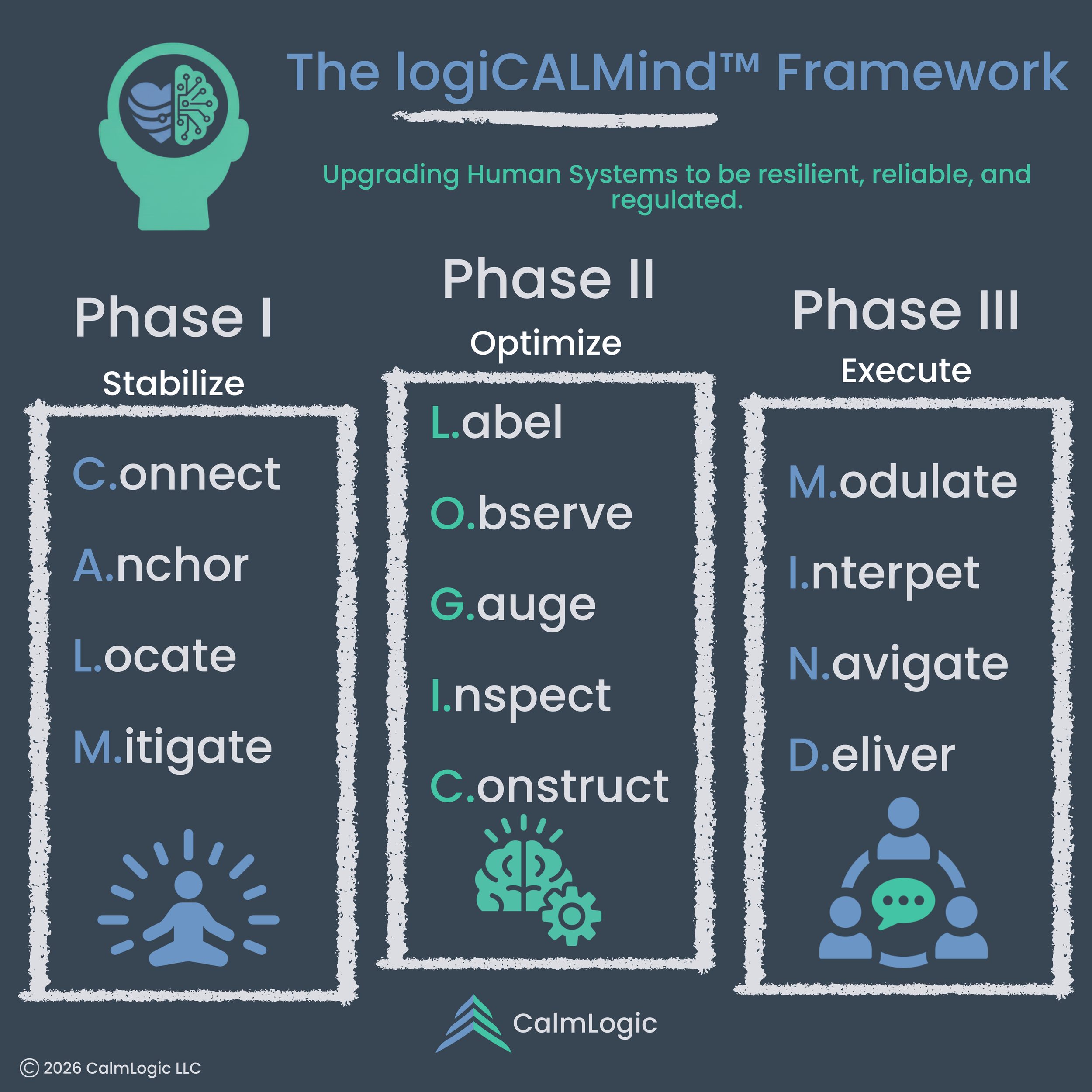
Overview of the logiCALMind™ Framework

Phase 1: Stabilization (The C.A.L.M. Protocol)

We teach science-backed techniques to physically neutralize the stress response, ensuring employees remain grounded and focused even in high-pressure environments.

The Outcome: Increased personal resilience and a reduction in reactive, stress-driven decision-making.

Phase 2: Optimization (The L.O.G.I.C. Protocol)

We provide tools for employees to objectively analyze their emotional triggers, allowing them to move past reactive habits and commit to intentional, professional responses.

The Outcome: Higher emotional maturity and improved internal communication across all levels.

Phase 3: Execution (The M.I.N.D. Protocol)

We bridge the gap between the individual and the team by teaching active listening and social navigation skills that drive clear communication and collaborative success.

The Outcome: Sustainable high performance and a culture that actively prevents team burnout.

More Details Below

The logiCALMind™ Framework - Deep Dive

Phase 1: The C.A.L.M. Protocol (Stabilization)

Before you can think logically, you must stabilize the biology.

  • Before you can lead others, you have to be present.

    Connecting is a quick internal "status check" where you acknowledge your current mood or physical tension. It’s about noticing the red lights on your dashboard before they lead to a system failure.

    Avoiding numbing or ignoring. Before you do anything you have to be aware.

  • When stress hits, your body naturally tenses up.

    Anchoring involves using a physical reset, like a deep breath or feeling your feet on the floor, to ground yourself in the present moment. This physically signals to your brain that you are safe, allowing your logical mind to stay online.

    This is where we tell the mind to switch from the sympathetic nervous system (fight or flight) to the parasympathetic nervous system (rest & digest).

  • Stress often hides in the body, like a tight jaw, clenched fists, or a knot in the stomach.

    By Locating exactly where you are holding that stress, you can intentionally release it and/or use it as a guide in further steps like Inspect.

    This keeps us present in our body.

  • This is the bridge between your physical reaction and your logical response.

    Mediating is the act of taking a "mental timeout" to choose your next move. Instead of reacting instantly, you create a space that allows you to respond with wisdom rather than impulse.

    Create a buffer between physiological sensations and cognitive analysis. Acknowledge the emotions without pushing them away or flaming them.

    Meditating is a great tool to practice this step.

Phase 2: The L.O.G.I.C. Protocol (Optimization)

Once the body is calm, the mind can be precise.

  • There is power in putting a name to what you feel.

    Labeling shifts the "data" from the emotional side of your brain to the logical side. By saying, "I am feeling overlooked," rather than just feeling angry, you transform a vague emotion into a specific problem you can solve.

    By identifying the specific emotion you ensure the internal network is routing the emotions correctly. Like distinguishing between Frustration and Fatigue, Anger and Anxiety, or Stress and Overwhelm. Incorrect labeling causes undesired outcomes.

  • This step is about looking at the situation through a neutral lens.

    Observing means separating the facts of what happened from the "story" you might be telling yourself. It allows you to see the situation like a third-party mediator would, removing the bias that clouds judgment.

    Non-interfering monitoring. Watching the flow of thoughts like a packet sniffer, observing the sensations without getting caught in it yourself. Adopting a mindful state watching from the observation deck.

  • Not every problem is a crisis. And some problems may need expert assistance.

    Gauging involves rating your emotional intensity on a scale of 1 to 10. If the problem is a "3" but your reaction is a "9," you know you need to recalibrate before moving forward. This keeps your responses proportional to the situation.

    If the problem is a “10” and your reactions are preventing you from being your best self, you may need to escalate to professionals.

    This is the time to make a Go/No-Go decision on next steps.

    Revert back to C.A.L.M Protocol if things are still too intense, or ask for help to go through the next steps.

  • Emotions are data, what is the data telling you?

    Inspecting is a deep dive into why a situation triggered you. This is the RCA (Root Cause Anlysis).

    Use the data to find the “bug" (the core belief or trigger) that caused the signal to fire. Is it a missed expectation? An unmet need? Or maybe a value you hold deep?

    Understanding the why helps you make an appropriate plan of action.

  • The final step of the internal work is to lock in your strategy.

    Committing means deciding exactly how you will show up in the next interaction. You stop the analysis and choose a response that serves the goal and respects your values.

    How do you plan on expressing and/or regulating this emotion in the future? What do you need to do to ensure that plan happens? Communicate a boundary, work on an internal trauma, or learn to ask more questions before assuming the worst?

    Instead of reacting impulsively to a trigger, you consciously choose a response that aligns with your values and the desired outcome. This is the moment you decide to move from "feeling" the problem to "solving" it.

Phase 3: The M.I.N.D Protocol (Execution)

Once you understand yourself, you’ll better understand others.

  • Think of this as adjusting your "volume knob" before you speak. Or making sure what you are sending out is really what you want to communicate.

    Modulate is the act of checking your own energy to make sure it matches the situation. If a teammate is overwhelmed, you might dial back your intensity to avoid adding more stress. By intentionally choosing your tone and volume, you ensure your message is easy to hear and that you are modeling the professional composure you want to see in the room.

  • Communication is more than just hearing words; it’s about reading the "signal" behind them.

    In the Interpret step, you look for the data in someone’s body language or tone. Instead of taking a colleague’s short email or frustrated sigh personally, you view it as information about their current stress level. This helps you understand what they truly need to move forward.

  • Once you understand the landscape, you need to lead the way to a solution.

    Navigating is about steering the conversation around roadblocks like ego, frustration, or misunderstanding. You use active listening to confirm you're on the same page and find the most efficient route to a "win-win" outcome.

  • This is the final step where all your preparation pays off. Because you’ve stayed calm and understood the other person, you can now Deliver your message with total clarity. You aren't just venting; you are providing a clear request or a firm decision that the team can act on. You use your emotions to increase performance, rather than decrease it.

Engineered for Results, Rooted in Research

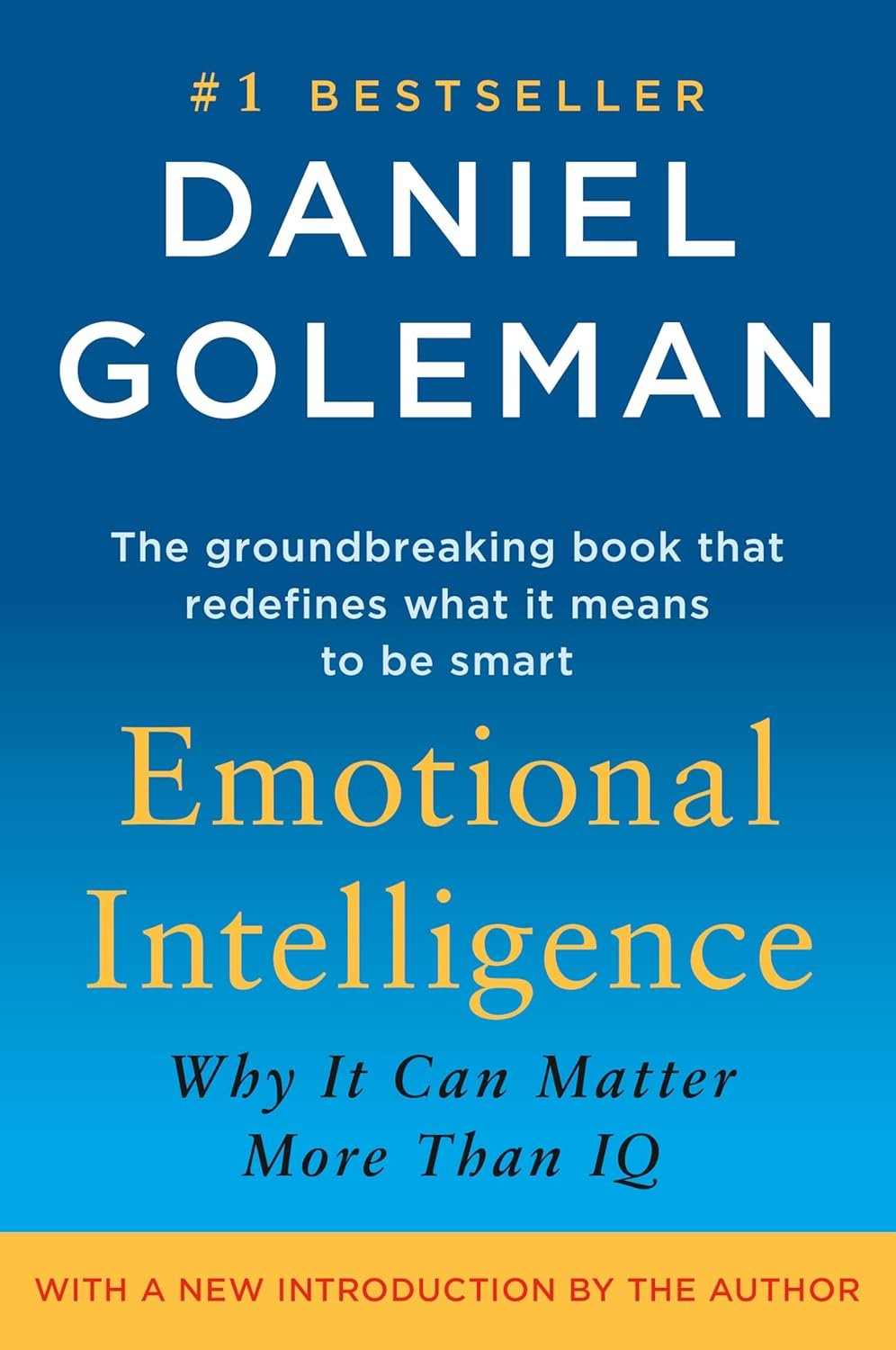
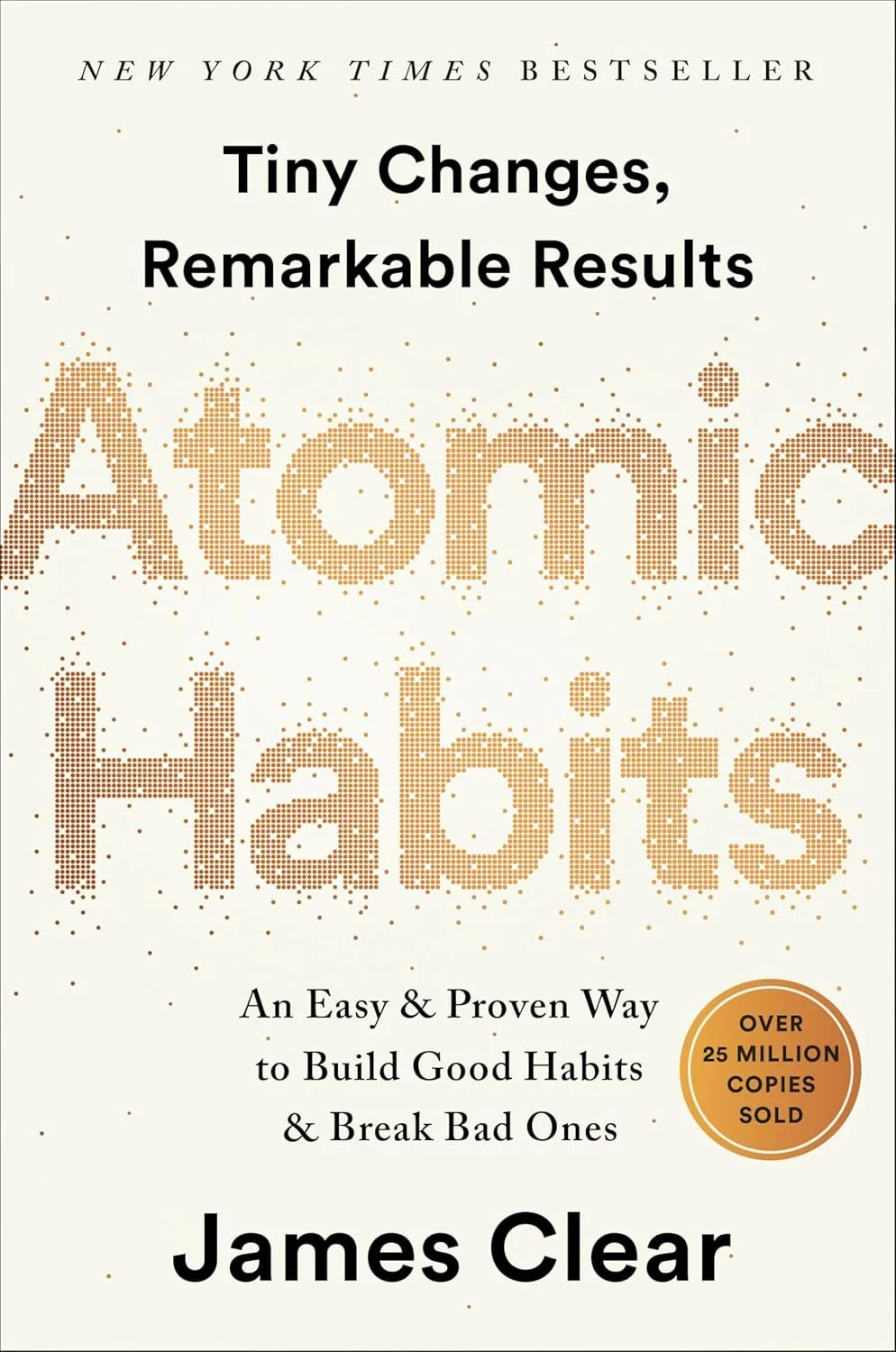
Our framework is a built on decades of peer-reviewed research and the work of world-renowned experts in neuroscience, psychology, emotional intelligence, therapy, and even breathing. This isn’t another “wellness fluff” type workshop where everyone holds crystals and chants mantras. This is centered in science.

We’ve moved beyond motivational platitudes to build a framework based on hard data and clinical research. The logiCALMind protocol is an evidence-based synthesis of how the human brain actually processes high-stakes environments, and how the body responds to differenet emotional simuli. We don't just tell you to stay calm, we give you the biological and psychological tools to re-engineer your response to pressure and triggers.

Why Science Matters for Your Bottom Line:

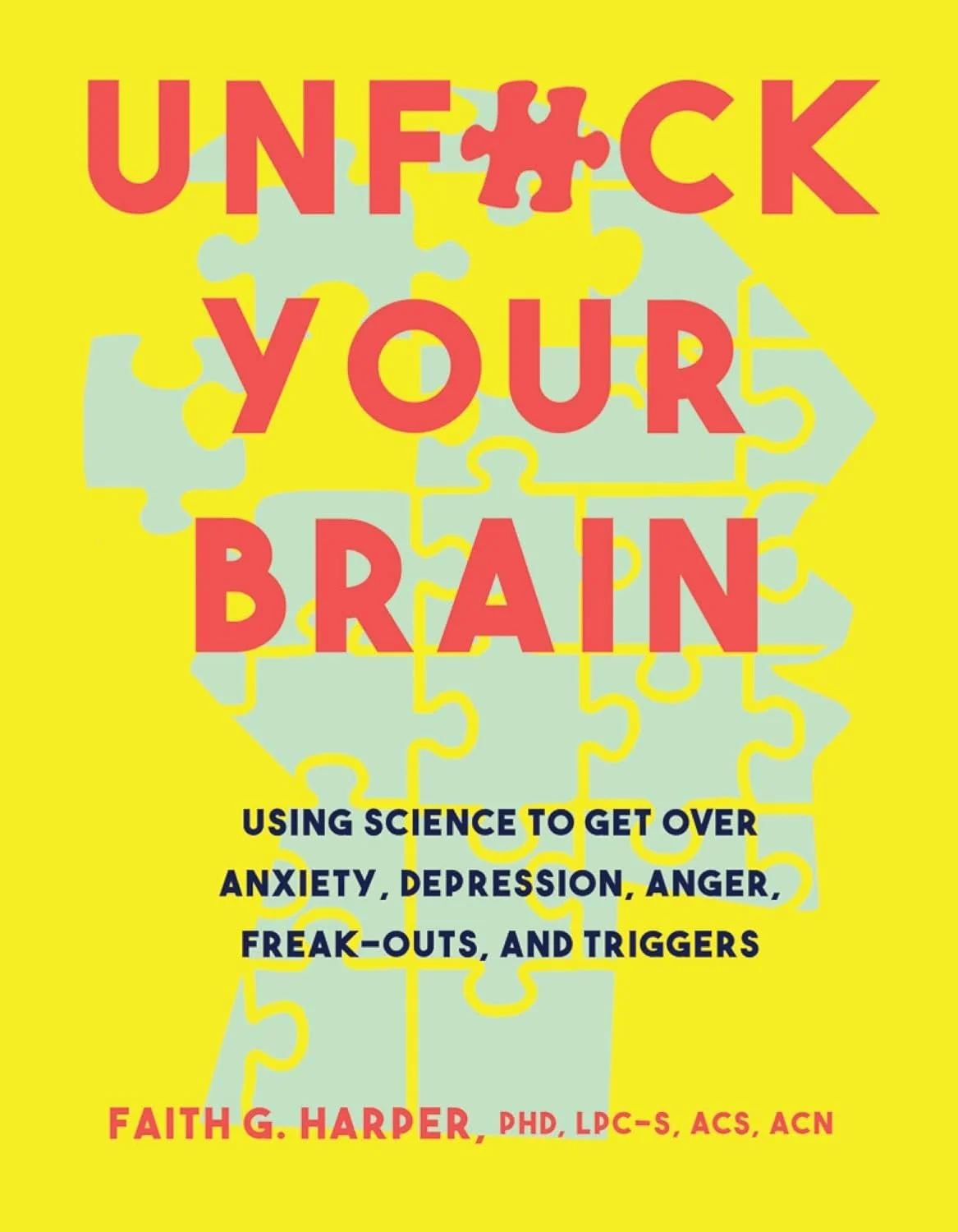
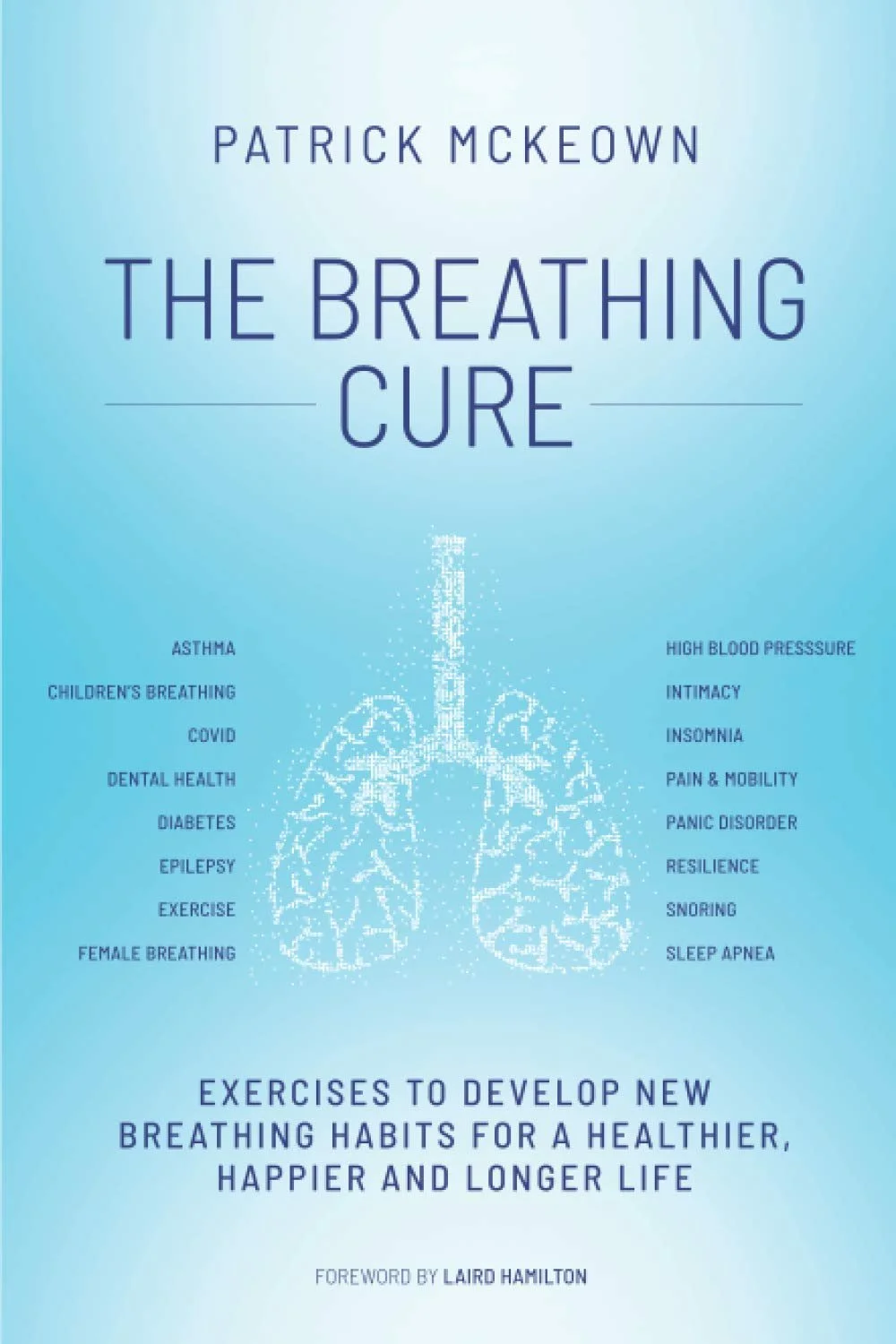
  • Amygdala Hijack Prevention: First we move beyond willpower to address the physiological roots of your reactions. Using Dr. Faith Harper’s approach to neuroplasticity, we help you "unf*ck" the reactive loops in your brain, using the breathing tools of Patrick McKeown as a physical kill switch for the fight-or-flight response.

  • Internal Data Auditing: In Phase 2, we apply the "Parts Work" insights of Dr. Richard Schwartz and the vulnerability research of Dr. Brené Brown. By identifying and labeling the different emotional "parts" of your internal system, you gain the clarity to ensure the most logical and compassionate version of you is the one making the final decision.

  • High-Integrity Connection: In Phase 3, we move from the internal environment to the external team dynamics. Leveraging the research of The Gottman Institute and PositivePsychology.com we replace reactive communication errors with intentional dialogue protocols. By mastering the art of mirroring and validation, you ensure your message is transmitted without emotional distortion, maximizing team throughput and eliminating the "friction" that leads to project delays.

Ready to learn more?